When planning a new fence, it is not always clear whether a land survey is legally required, a smart precaution or an unnecessary extra cost. For property owners looking for surveyors in Ballina, Elevation Survey provides practical insight into a common issue seen during residential projects: fences being built from assumptions rather than accurate measurements. Existing fences, garden edges and old plans can all be misleading, especially when properties have changed hands or boundaries have never been properly checked.
This article explains when a survey may be needed before building a fence, why existing boundary markers are not always reliable and how a professional boundary survey can help prevent neighbour disputes, council issues and costly relocation work. It also outlines what can happen when a fence is built in the wrong place, helping property owners make a more informed decision before installation begins.
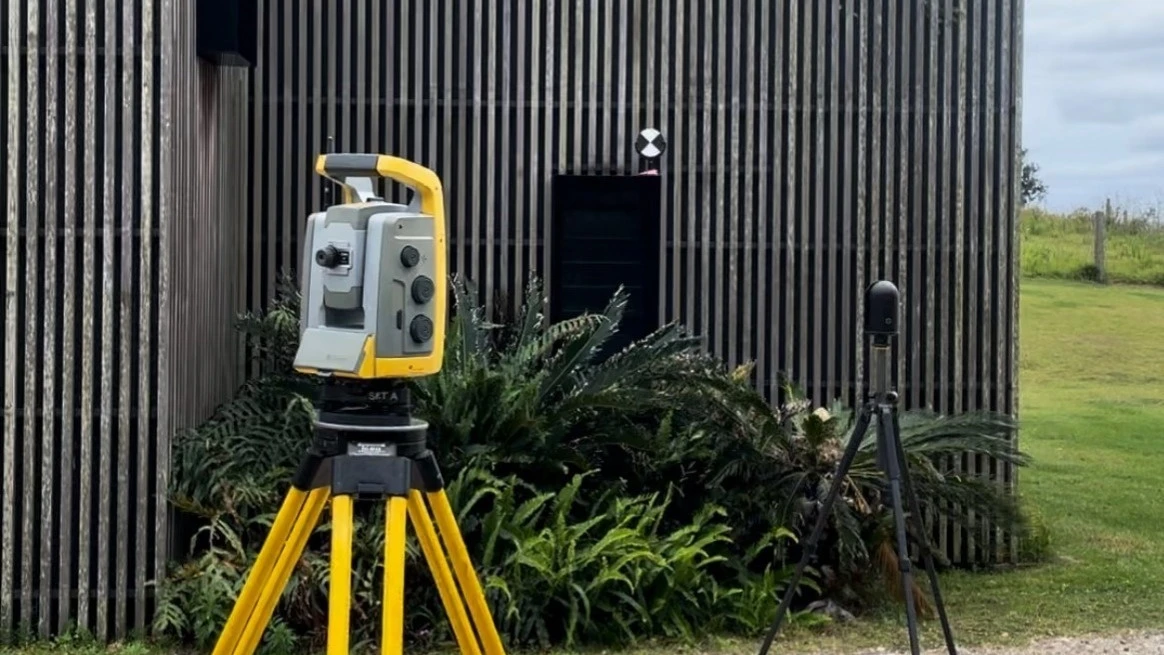
A land survey is often needed before building a fence when there is any uncertainty about the true location of a property boundary. In many cases, it is not only about avoiding a disagreement with a neighbour. It can also affect council compliance, future property transactions and the long-term value of the land.
The need for a survey depends on the property, the type of fence being built and how close the work will be to the boundary. Some projects may only require a simple review of existing information, while others need a formal boundary survey before any posts are placed in the ground.
A survey is strongly recommended when the existing boundary information is unclear, incomplete or based on old records. This can happen when a property has not been surveyed for many years, when title documents are difficult to interpret or when older plans do not provide enough detail for accurate fence placement.
This is especially common where:
In these situations, it is risky to assume that the visible fence or garden line is correct. A licensed surveyor can interpret the title information, locate the legal boundary and mark it clearly on site. This gives both the owner and the fencing contractor a reliable guide before work begins.
A survey is particularly useful when a fence is being built close to the property boundary. Even a small error in placement can matter when posts, footings or retaining elements are installed near adjoining land.
This is important for:
Local council requirements may also affect where a fence can be built, how high it can be and whether approval is needed. A survey provides accurate measurements so the fence can be positioned correctly and any required setbacks can be checked before construction starts. This is especially important for substantial fences, masonry walls or fences with concrete footings, as these are costly to move once built.
If a neighbour questions the proposed fence location, or if there has already been disagreement about where the boundary sits, a survey becomes one of the most useful steps you can take. It provides an independent, professional assessment rather than relying on opinion, memory or rough measurements.
A survey may be needed where:
Having the boundary confirmed before building can prevent the dispute from escalating. It also gives both parties clearer information to work from, which is far easier than trying to resolve the issue after a new fence has already been installed.
In some cases, a survey may be requested by council, a builder, a certifier or a conveyancer. This is more likely when the fence is part of a larger building project, when the property is being sold or when the proposed work is close to roads, easements, drainage infrastructure or public land.
A current survey may be needed to confirm:
Where a formal survey is required, proceeding without one can delay approvals, create compliance problems or complicate a sale later. Even when it is not legally required, it may still be the best way to protect the project from avoidable issues.
Existing fences, hedges, retaining walls and old markers can look like reliable guides, but they do not always reflect the legal boundary. Many property owners naturally assume that the current fence line is correct, especially if it has been there for years. Unfortunately, that assumption can lead to serious problems.
A fence may have been placed slightly inside the boundary, slightly over the boundary or in a convenient position that suited a previous owner. Over time, that incorrect line can start to feel official, even though it has never matched the title boundary.
Many older fences were installed without a proper survey. A previous owner may have followed a tree line, an old post, a driveway edge or a rough agreement with a neighbour. In some cases, a fence may have been moved to avoid a slope, tree, rock, retaining wall or drainage issue, without the legal boundary ever changing.
This can create confusion when the property changes hands. A new owner may expect the legal boundary to be followed, even if previous neighbours were comfortable with the old fence location. What once felt like an accepted arrangement can quickly become a dispute when ownership, plans or expectations change.
Historic errors can also carry forward. If one fence was built incorrectly, later landscaping, sheds, paths or replacement fences may have been aligned to the same wrong position.
Fences and informal markers are physical objects, and they can shift over time. Timber posts can rot, lean or be replaced in a slightly different position. Wire fences can be pulled out of alignment. Garden edges and retaining walls can be rebuilt. Trees and hedges can grow unevenly, making them poor indicators of a true boundary.
Common features that should not be relied on without checking include:
Some of these items may sit close to the boundary, but that does not mean they define it. A survey confirms whether what is visible on site matches the legal boundary shown in the property records.
Title plans and deposited plans can provide important information, but they are not always enough for a property owner or fencing contractor to accurately set out a fence. Some plans are not intended to be used as construction guides, and interpreting them correctly often requires survey expertise.
A line on a plan may look simple, but the real boundary on the ground depends on survey measurements, marks, adjoining boundaries and the legal description of the land. A rough measurement taken from a plan, online map or phone app is not accurate enough for a permanent fence.
This matters because even a small discrepancy can become an encroachment. A fence that is only slightly out of position may still create issues with neighbours, council or future buyers.
A boundary survey removes uncertainty by showing where the legal property boundaries are located on the ground. It gives the property owner, fencing contractor and any other relevant party a clear reference point before construction begins.
A survey does more than mark a line. It can also identify how the legal boundary relates to existing fences, buildings, driveways, retaining walls, easements and other features on the property.
The main purpose of a boundary survey is to determine the exact limits of the property. A licensed surveyor uses title information, survey records and on-site measurements to establish where the legal boundary sits.
This helps the owner:
For fencing projects, this clarity is valuable. It means the fence can be installed with confidence rather than relying on guesswork or assumptions about old fence lines.
A boundary survey can also reveal whether anything already crosses the property line. This may include a neighbour’s structure encroaching onto your land, or an existing feature on your property extending over the boundary.
Examples may include:
Identifying these issues before installing a new fence is important. It gives the owner time to consider the right approach, whether that means adjusting the fence location, speaking with the neighbour, seeking legal advice or obtaining further documentation.
A boundary survey can also help identify restrictions that affect where a fence can be built. These restrictions may not be obvious just by looking at the property.
A survey may help confirm:
This is important because a fence built across an easement or too close to certain infrastructure may need to be altered or removed. A survey helps identify these constraints early, before money is spent on materials, labour and approvals.
Building a fence in the wrong place can create problems that are far more expensive than the cost of checking the boundary first. What starts as a small measurement error can lead to neighbour conflict, legal costs, forced relocation and complications when selling the property.
A fence is a permanent structure that affects the use and appearance of land. For that reason, “close enough” is rarely a safe approach when the exact boundary is uncertain.
A misplaced fence is one of the most common causes of boundary disputes between neighbours. If the fence crosses into adjoining land, the neighbour may ask for it to be moved. If the fence sits too far inside your property, you may lose practical use of part of your land.
Disputes can become more difficult when emotions are involved. Neighbours may disagree about what was previously accepted, what the old fence represented or whether the new fence has changed access, privacy or land use.
In some cases, a dispute may lead to:
These situations can be stressful and time-consuming. A survey before building helps reduce the risk by giving everyone a clearer understanding of the boundary from the start.
If a fence is proven to be in the wrong place, the owner who arranged the work may be responsible for fixing the problem. This can involve removing posts, pulling out footings, rebuilding sections of fence and repairing any affected surfaces or landscaping.
The cost can be much higher for:
There may also be additional costs if the fence needs to be redesigned to comply with council rules once it is placed correctly. A mistake of only a few centimetres can become expensive if it affects a long boundary or a permanent structure.
A fence built in the wrong location may also breach local council requirements. This can happen if the fence affects sightlines near a driveway, blocks access to an easement, exceeds height rules or sits too close to public land.
Depending on the issue, council may require the owner to:
Not every fence requires approval, but that does not mean every fence can be built anywhere. Accurate site information helps ensure the fence is planned in line with the property boundaries and any relevant controls.
Boundary issues can also create problems when a property is sold or refinanced. During the conveyancing process, questions may be raised if the fence line does not appear to match the title documents or if an encroachment is suspected.
This can lead to:
A clear and correctly positioned fence gives future buyers more confidence. It also reduces the chance of boundary questions becoming an obstacle during a sale.
A survey is not always legally required before building a fence. If the boundary has recently been surveyed, survey marks are intact and there is no doubt about the fence location, a full survey may not be necessary. Some straightforward replacement fences can proceed using existing confirmed boundary information.
However, a survey becomes much more important when there is any uncertainty. This includes older properties, unclear title information, missing markers, neighbour concerns, substantial fence work or construction close to the boundary.
The decision usually comes down to risk. If the fence is low-cost, temporary and well inside the boundary, the risk may be limited. If the fence is permanent, expensive or directly beside the property line, confirming the boundary first is usually the safer and more practical option.
A land survey before building a fence is not always mandatory, but it is often the smartest way to avoid expensive and stressful problems. Existing fences, old plans and informal markers can all be misleading, especially when properties have changed over time. A professional boundary survey provides clear, accurate information about where the legal boundary sits and how that boundary relates to fences, easements, setbacks and nearby structures.
For property owners, this clarity can protect more than the fence itself. It can help prevent neighbour disputes, avoid council issues, support smoother construction and reduce complications when selling or refinancing in the future. Before investing in a permanent fence, confirming the boundary is a practical step that can save significant time, money and frustration later.
.webp)


